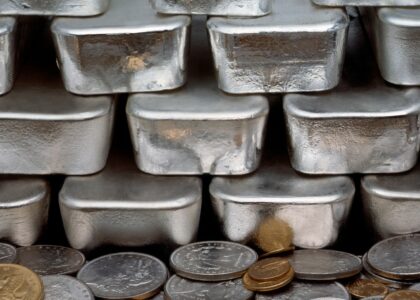

In the world of precious metals investing, there is a special breed of investor known simply as the “stacker.” Unlike traditional investors who trade paper assets, stackers focus on accumulating physical gold, silver, platinum, and other tangible metals over time. The goal isn’t necessarily quick profits or short-term speculation. Instead, stacking is about long-term wealth preservation, financial independence, and protection from the uncertainties of modern financial systems.
Stackers often measure their progress not in dollars but in ounces. The philosophy is simple: build a physical reserve of hard assets that cannot be printed, inflated away, or digitally erased.
However, stacking precious metals is not without its challenges. The modern market includes price volatility, counterfeit risks, dealer premiums, and evolving economic conditions. For those serious about building and improving their stack, understanding these factors is essential.
This article explores what stackers should watch out for and how they can strategically strengthen their precious metals holdings over time.
The Philosophy Behind Stacking
Stacking is built on a fundamentally different mindset than traditional investing. Most financial markets today revolve around short-term gains, speculation, and digital assets. Stocks, cryptocurrencies, and derivatives dominate headlines and trading platforms.
Stackers take a different view.
They often believe that:
• Fiat currencies lose value over time due to inflation
• Financial systems can be fragile during crises
• Physical assets provide long-term stability
Precious metals have historically served as stores of value for thousands of years, surviving wars, economic collapses, and currency resets. Because of this long track record, stackers see metals as a form of financial insurance.
But stacking isn’t simply about buying metal and forgetting about it. Successful stackers continually refine their strategy to improve their stack’s strength, efficiency, and resilience.
Understanding the Importance of Premiums
One of the first things new stackers notice is that physical metals rarely trade exactly at the “spot price.”
The spot price represents the market value of the raw metal in global trading markets. But when you buy coins or bars, you almost always pay a premium above spot.
Premiums cover:
• minting and manufacturing costs
• dealer margins
• shipping and distribution
• market demand for specific products
For example, a one-ounce silver coin may sell for several dollars above the spot price of silver.
Smart stackers pay close attention to these premiums. Overpaying significantly above spot can reduce the efficiency of your stack and make it harder to profit if you ever need to sell.
To improve their stacks, many experienced stackers:
• compare prices across multiple dealers
• buy during periods of lower retail demand
• focus on products with historically lower premiums
The goal is to maximize ounces per dollar spent.
Recognizing the Risk of Counterfeit Metals
Another issue stackers must watch for is the risk of counterfeit metals.
As precious metals prices rise, counterfeit products become more common. Fake coins and bars have appeared in online marketplaces, private sales, and even some secondary dealers.
Many counterfeits are made using metals like tungsten or copper with thin layers of gold or silver plating.
To reduce this risk, stackers should:
• purchase from reputable dealers
• verify products using weight and dimension tests
• use magnet and conductivity tests for silver
• consider precious metal testing devices if buying large amounts
Authenticity is critical because a counterfeit piece can eliminate the value of an entire purchase.
Trustworthy sourcing is one of the most important pillars of stacking.
Diversification Within Precious Metals
Many stackers start with silver because it is affordable and accessible. Others begin with gold because it holds higher value in a smaller physical space.
But experienced stackers often diversify across multiple metals.
Each precious metal serves a slightly different role.
Gold
Gold is the ultimate long-term store of value. It is highly liquid, globally recognized, and easy to store due to its high value density.
Silver
Silver has strong industrial demand and often experiences larger price swings than gold. It can offer higher potential percentage gains during bull markets.
Platinum
Platinum is rarer than gold and plays an important role in industrial applications such as catalytic converters and emerging hydrogen technologies.
Palladium
Although less common among stackers, palladium has experienced dramatic price movements due to supply shortages.
By diversifying across metals, stackers can balance stability and growth potential.
Storage: Protecting Your Stack
One of the biggest advantages of physical metals is that they are tangible assets. But that also creates a responsibility: proper storage.
Stackers must ensure their metals are protected from theft, damage, or loss.
Common storage methods include:
Home safes
A high-quality safe allows direct access and full control over your metals. However, safes should be discreet, secure, and ideally bolted down.
Bank safe deposit boxes
Banks offer secure storage, but access may be limited during banking hours or financial disruptions.
Private vaulting services
Some investors choose professional vaults that specialize in precious metals storage and insurance.
Each option has advantages and trade-offs. Many experienced stackers use a combination of storage methods to reduce risk.
The key principle is simple: protect your metals as carefully as you would protect any significant financial asset.
Timing Purchases: Avoiding Emotional Buying
Precious metals markets can be volatile. Prices often rise quickly during periods of economic uncertainty or geopolitical tension.
New stackers sometimes make the mistake of buying aggressively during price spikes.
Experienced stackers often follow a different strategy known as dollar-cost averaging.
Instead of trying to perfectly time the market, they purchase metals at regular intervals. This approach spreads purchases across different price levels and reduces the impact of short-term volatility.
Other stackers prefer to buy during:
• price corrections
• periods of low market enthusiasm
• seasonal dips in demand
The goal is not to perfectly predict the market, but to build a stack steadily and efficiently over time.
Liquidity: Thinking About the Exit
Many stackers plan to hold metals for decades. But it’s still important to think about liquidity.
Some precious metals products are easier to sell than others.
Highly recognizable coins and bars tend to command stronger resale demand. These include:
• government-minted coins
• well-known refinery bars
• standard weights like one ounce
Obscure or unusual products may carry higher premiums when purchased but can be harder to sell later.
Smart stackers consider both entry price and exit liquidity when choosing products.
Tracking the Gold-Silver Ratio
One strategy many stackers use to improve their holdings involves the gold-silver ratio.
This ratio measures how many ounces of silver it takes to purchase one ounce of gold.
Historically, the ratio has fluctuated widely.
When the ratio becomes very high, silver may be undervalued relative to gold. When it becomes low, gold may be comparatively cheaper.
Some stackers use this ratio to gradually swap between metals over time.
For example:
• when silver is cheap relative to gold, accumulate silver
• when silver becomes expensive relative to gold, trade some silver for gold
This approach allows stackers to potentially increase their total ounces without adding new money.
Staying Informed About Market Trends
The precious metals market is influenced by a wide range of global factors, including:
• inflation
• interest rates
• currency strength
• central bank policies
• geopolitical tensions
• industrial demand
For example, silver demand is increasingly driven by technologies such as solar panels and electric vehicles. Gold demand is influenced heavily by central bank purchases and investor sentiment.
Stackers who stay informed about these trends can better understand market cycles and identify opportunities to improve their stacks.
However, it’s important to avoid being overly reactive to daily headlines. Precious metals are typically long-term holdings, not short-term trading instruments.
Avoiding the “Collector Trap”
Another challenge for stackers is the temptation to move into high-premium collectible items.
Certain coins may carry large premiums due to rarity, artistic design, or numismatic value.
While collectible coins can be valuable, they operate under a completely different market structure than bullion.
For stackers focused on maximizing metal weight, collectible coins can reduce efficiency because a large portion of the purchase price may be tied to collectible value rather than metal content.
Many experienced stackers separate their holdings into two categories:
• bullion stack – focused on metal weight
• collectible collection – focused on numismatic value
Keeping these strategies separate helps maintain clarity and discipline.
Patience: The Most Important Stacking Skill
Perhaps the most overlooked skill in stacking is patience.
Precious metals markets often move slowly for long periods before experiencing dramatic price shifts. Bull markets in metals can take years to develop.
Stackers who focus too much on short-term price fluctuations can become discouraged.
But those who remain consistent—adding ounces over time—often benefit the most when market conditions eventually change.
Stacking is less about timing the perfect moment and more about building a resilient foundation of tangible wealth.
Final Thoughts
Stacking precious metals is both an investment strategy and a philosophy. It reflects a belief in the enduring value of tangible assets and the importance of financial independence.
But successful stacking requires more than simply buying coins or bars. It requires awareness, discipline, and long-term thinking.
Stackers who want to improve their stacks should focus on:
• minimizing premiums
• verifying authenticity
• diversifying metals
• protecting their storage
• buying consistently over time
• understanding market cycles
By applying these principles, stackers can build stronger, more resilient precious metals holdings.
In an increasingly digital financial world, physical metals remain one of the few assets that exist completely outside the system.
And for many stackers, that independence is exactly the point.